

 Benjamin Teo
🧭 TL;DR
Kris Kringle began as Christkindl—“Christ Child”—in 16th-century Germany before blending with Santa Claus folklore. Today, Aussies use “Kris Kringle” for office or family Secret Santa swaps, usually with a cheeky $20–$30 budget. From humble religious roots to modern gift-exchange fun, the tradition celebrates generosity with a good dose of Aussie humour.
Ever wondered why Australians call Secret Santa “Kris Kringle”? Or where the name came from?
The term traces back to Christkindl, meaning “Christ Child”, introduced by Martin Luther during the Protestant Reformation to shift focus from St Nicholas Day to Christmas Eve. Over time, English-speaking immigrants blurred Christkindl into Kris Kringle—and the name stuck.
By the mid-1800s, Americans were calling Santa himself “Kris Kringle”, helped along by pop culture and the 1947 film Miracle on 34th Street. Australia gave it a twist: a light-hearted, anonymous gift swap for friends, families and workplaces. So when someone asks, “What is Kris Kringle in Australia?” the answer’s simple — it’s our take on Secret Santa, with more laughs and usually a set budget to keep things fair.
A typical Kris Kringle gift exchange is easy: draw a name, buy one small surprise, and keep it secret until the reveal. Whether you call it Secret Santa, White Elephant or Bad Santa, the goal’s the same — spread joy without overspending.
At DadShop, we’ve watched Kris Kringle become a December ritual across Aussie offices and BBQs alike. With more than 1,800 gifts — from gag presents to practical picks — we’re proof that the tradition’s alive and well down under.
What Does “Kris Kringle” Mean?
“Kris Kringle” comes from the German Christkindl, meaning “Christ Child.” It began in the 1500s when Martin Luther encouraged families to focus gift-giving on Christmas Eve instead of St Nicholas Day. Over centuries, English speakers softened Christkindl into “Kris Kringle,” and Americans later used it as another name for Santa Claus.
In Australia, the phrase took on a life of its own — not a person, but a gift-exchange game. Whether at work, school, or the family BBQ, Kris Kringle means everyone gives one small gift anonymously. It’s less about grand gestures and more about having a laugh and keeping Christmas light-hearted.
Pop culture reinforced this shift. Hollywood films like Miracle on 34th Street blurred the line between Kris Kringle and Santa, while Aussie workplaces embraced the name for their yearly swaps.
At DadShop, we celebrate that spirit every year — think funny socks, novelty mugs and clever under-$30 picks perfect for Kris Kringle draws.
How Did Kris Kringle Become Santa Claus?

It all started with a linguistic mix-up — and a dash of Christmas magic.
In 19th-century America, German immigrants spoke of the Christkindl (“Christ Child”), their beloved Christmas gift-bringer.
But English speakers heard it differently… and before long, “Christkindl” morphed into “Kris Kringle.”
🎁 From Christkindl to Santa
As Christmas traditions spread across North America, “Kris Kringle” began appearing alongside St. Nicholas and Father Christmas in stories and newspapers.
By the time Miracle on 34th Street hit the screens in 1947, Kris Kringle wasn’t just a name — he was Santa: a kind man in red, brimming with generosity and holiday cheer.
🎨 The Coca-Cola Era
Mid-20th-century ads sealed the deal — that rosy-cheeked, red-suited Santa became the global icon we know today, blending religious roots with cultural imagination.
✨ A Name with a Journey
What began as Christkindl now lives on as Kris Kringle — a name that carries centuries of faith, folklore, and festive spirit.
And down under, Aussies still use it for a cheeky Secret Santa gift swap!
What’s the Difference Between Kris Kringle, Secret Santa, and White Elephant?
All three describe gift-exchange traditions with slightly different rules.
In Australia, Kris Kringle is the go-to term for a simple anonymous swap — each person buys one small gift for someone else within a set budget. Secret Santa is the same idea, just more common in North America and the UK.
White Elephant (or “Yankee Swap” / “Dirty Santa”) adds a twist: participants can steal or swap gifts. It’s less sentimental and more of a game, often used at office parties. Australians kept Kris Kringle simple and fun — ideal for workmates, school friends and family gatherings.
🎁 Gift Exchange Traditions Around the World
🧑🎄
Kris Kringle
Origin: German Christkindl
Region: 🇦🇺 Australia
Style: Anonymous, one-to-one swap
Popularity: ⭐ Very High
🎄
Secret Santa
Origin: Western Christian
Region: 🌍 Global
Style: Same rules as Kris Kringle
Popularity: High
🎁
White Elephant
Origin: United States
Region: 🇺🇸 Mainly US
Style: Steal or swap gifts
Popularity: Moderate
😈
Bad Santa
Origin: Modern twist
Region: 🇺🇸 / 🇦🇺 US & Australia
Style: Humorous or prank gifts
Popularity: Growing
Why Do Australians Say Kris Kringle Instead of Secret Santa?
Australia’s love for the name stems from a combination of British heritage and German influence. German migrants brought Christkindl to the colonies in the 1800s, and over time it evolved into the Anglicised “Kris Kringle.”
By the 20th century, Aussie offices and schools were using it regularly, while the US and UK preferred “Secret Santa.” It stuck here because it sounded cheerful, unique, and perfectly Aussie.
Today you’ll hear it everywhere — from workplace parties to classroom draws. Some states, especially Victoria, use “Kris Kringle” almost exclusively.
Modern tools like DrawNames and Elfster make it easy to organise Kris Kringle events across states or even online.
How Kris Kringle Gift Exchanges Work Today
A Kris Kringle gift exchange is intentionally simple. Everyone draws a name (or uses an online generator) and secretly buys a small present for that person. Budgets are usually agreed upfront — $10, $20 or $30 — so no one feels outspent or left out.
There are two main versions:
- Traditional Kris Kringle: Each person receives one gift, revealed at the end.
- Game-style swaps: Participants can open, trade or “steal” gifts for laughs.
A few Aussie variations include:
- Workplace Kris Kringle: Usually capped at $20, with humorous or practical gifts.
- Family Kris Kringle: Great for large families — one fun gift each instead of many.
- Virtual Kris Kringle: Perfect for remote teams or long-distance relatives.
The secret isn’t the price tag — it’s creativity. Popular picks include novelty mugs, socks, mini tools, candles, puzzles, or small hampers.
Where Did the Tradition Begin?
📜 16th-Century Beginnings
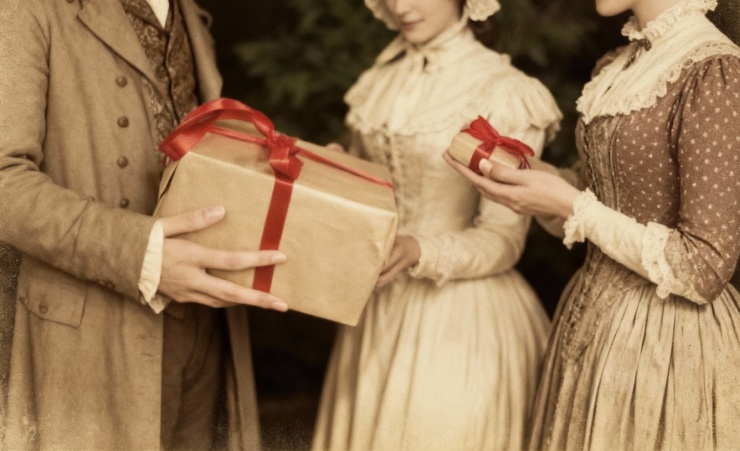
The story starts in 16th-century Germany during the Protestant Reformation. Martin Luther introduced Christkindl (“Christ Child”) to shift focus from saints to Christ’s birth, moving the gift-giving to Christmas Eve.
👼 The Christkindl Figure
Over time, Christkindl became a symbolic figure — not the baby Jesus, but an angelic messenger bringing gifts. As Germans migrated, the word blurred phonetically into Kris Kringle.
🎄 Traditions Unite
In Catholic regions, St Nicholas remained the main gift-giver; in Protestant ones, the Christkindl tradition thrived. Together, these figures helped shape today’s folklore and the spirit of giving.
How Kris Kringle Is Celebrated Around the World
Although “Kris Kringle” originated in English-speaking countries, its spirit is present everywhere.
🌍 Christmas Traditions Around the World
Germany, Austria & Switzerland
Christkind still delivers gifts, often portrayed as a young, angelic figure with golden hair and a glowing crown.
Netherlands & Belgium
Sinterklaas sails from Spain by boat with sweets and small gifts, arriving weeks before Christmas to delight children.
Eastern Europe
Ded Moroz (“Grandfather Frost”) brings gifts with his granddaughter Snegurochka, celebrating amid snowy New Year festivities.
North America
Kris Kringle evolved into Santa Claus — the jolly, red-suited man who slides down chimneys to deliver presents on Christmas Eve.
Australia
Kris Kringle means a sun-soaked, laughter-filled gift swap under palm trees — Santa swaps his sleigh for surfboards and beach barbecues.
Despite the differences, the heart’s the same — anonymous giving, kindness, and community spirit.
Is Kris Kringle the Same as Santa?
The link was cemented by pop culture, not religion.
In late-1800s America, writers and advertisers blended folklore, turning Christkindl into a Santa-like figure. Hollywood sealed it with Miracle on 34th Street (1947), where the kind old man on trial for claiming to be Santa was called Kris Kringle.
Coca-Cola’s festive ads later spread that image worldwide.
In Australia, “Kris Kringle” became shorthand for the act of giving rather than the man himself — a nod to Santa’s generosity, minus the sleigh.
Why Do People Love Kris Kringle?
Kris Kringle works because it turns gift-giving into shared fun, not obligation. The anonymity removes pressure, while small budgets make it inclusive.
It’s great for workplaces — breaks down hierarchies and ends the year with laughs. Families love it for saving money while keeping the surprise alive. Even virtual Kris Kringle events keep people connected across cities and states.
Psychologists say this kind of giving boosts happiness because it’s rooted in generosity and connection.
Common Misconceptions About Kris Kringle
| Myth | Reality |
|---|---|
| Kris Kringle was a pagan god. | False — it comes from Christkindl, meaning “Christ Child,” born from the Protestant Reformation. |
| Kris Kringle and Santa were always the same. | Not originally. They merged later in modern America. |
| It’s an American invention. | No — it began in Germany and Austria before spreading globally. |
| Kris Kringle means the person giving the gift. | In Australia, it refers to the gift exchange event, not the giver. |
| Secret Santa and Kris Kringle are different games. | They’re the same — Aussies just prefer the Kris Kringle name. |
🎁 A Final Word
No matter what you call it — Secret Santa, White Elephant or Kris Kringle — the joy’s the same. It’s about laughter, surprise, and generosity. And if you’re stuck for ideas, DadShop’s got you sorted with hundreds of cheeky, clever, and downright funny Kris Kringle gifts to keep the tradition alive.
FAQs About Kris Kringle
What does Kris Kringle mean?
It comes from the German word Christkindl, meaning “Christ Child.”
Is Kris Kringle the same as Secret Santa?
Yes — in Australia, “Kris Kringle” simply means an anonymous gift swap.
Why do Australians call it Kris Kringle?
The name arrived with German immigrants and stuck because it sounded cheerful and unique.
What are good Kris Kringle gifts under $20?
Funny socks, novelty mugs, candles, puzzles, or mini gadgets — anything that gets a laugh.
Who started Kris Kringle?
It began in 16th-century Germany when Martin Luther introduced the Christkindl as the Christmas gift-bringer.

The original DadShop writer, owner, fun loving and tech guy. Great with computers, gadgets, quick on his feet and lover of novelty gifts. Ben writes for our wonderful blog occasionally just to pass time.